
Coaching in the Storm: Turning “Difficult” Into Direction
There’s a part of leadership no one glamorizes: the meeting invite you don’t want to send, the conversation with the teammate everyone calls “difficult.” The situation where the easy outs are spin, delay, or delegation—and none of them make your team better. Years ago, I…

Building Trust: The Leadership Currency That Compounds
“Compared with people at low-trust companies, people at high-trust companies report 74% less stress, 50% higher productivity, and 76% more engagement.” — Paul J. Zak, Harvard Business Review (2017) Trust is not a soft topic. It is a system property that shapes speed, quality, and…

Self-Awareness: The Leadership Advantage That Can’t Be Outsourced
Discover how self-awareness drives better decisions and builds trust in leadership. “The unexamined life is not worth living.” — Socrates Self-awareness is one of those rare leadership skills that is both timeless and urgent. It is timeless because leaders in every era have needed it….
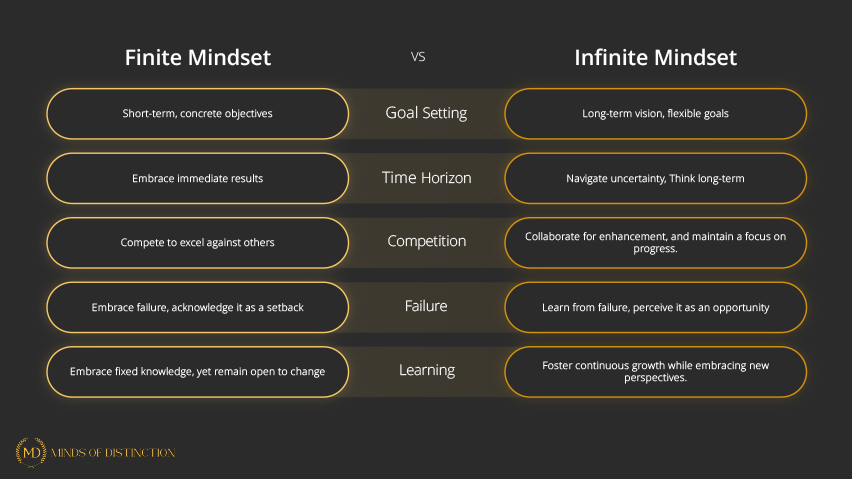
Play to Outlast: Shifting from a Finite to an Infinite Mindset
Quarterly targets matter—but your real advantage is the ability to keep improving when conditions, competitors, and constraints all change. The finite mindset optimizes for short-term wins; the infinite mindset compounds value over time. Explore the contrast between the two across five levers—Goal Setting, Time Horizon, Competition, Failure, and Learning….

Make Goals That Move People: Applying Locke’s Goal-Setting Theory
High performance doesn’t happen by accident—it’s designed. Locke’s Goal-Setting Theory shows that well-defined and ambitious goals lift results by sharpening direction, increasing effort, and sustaining determination. Five practical principles make it work: Challenge, Clarity, Commitment, Feedback, and Complexity. The Five Principles (in plain English) Clarity — Spell out exactly what success…

Make Better Calls: The 6-Step Rational Decision-Making Playbook
When the stakes are high, “going with your gut” is a gamble. A simple, disciplined process helps you slow the problem down, see it clearly, and choose with confidence. The Rational Decision-Making Process lays out six practical moves: Identify the Problem → Establish Criteria → Weigh Criteria →…
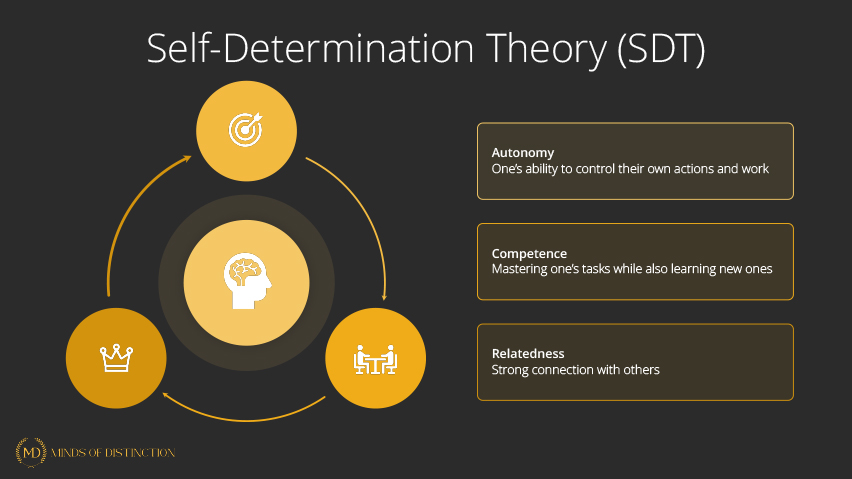
Lead So People Want To Do the Work: A Practical Guide to Self-Determination Theory
Most engagement programs try to push people into caring. Self-Determination Theory (SDT) flips that: it helps you design conditions where motivation shows up on its own. At its core are three human needs—Autonomy, Competence, and Relatedness—that, when met, turn effort into energy and compliance into commitment. According to the…
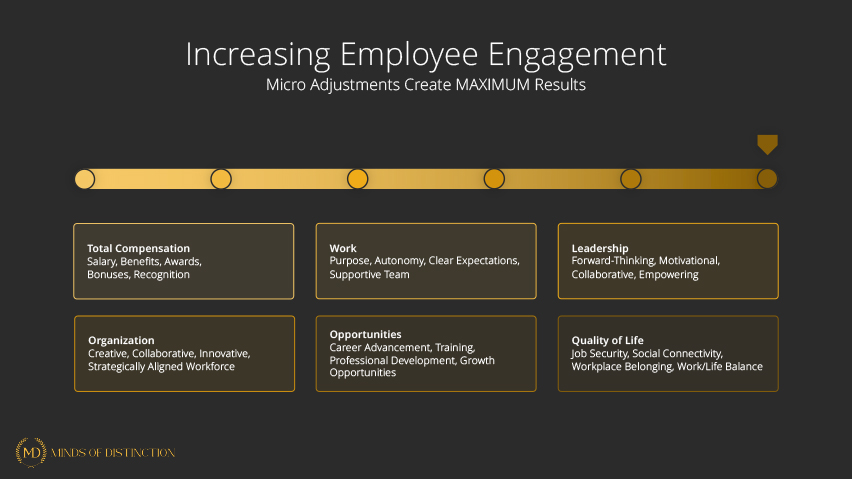
Increasing Employee Engagement: Small Shifts, Outsized Gains
If your organization feels “busy” but not energized, you don’t need a revolution—you need micro adjustments that compound to increase employee engagement. Think of engagement as six practical levers you can nudge: Total Compensation, Leadership, Opportunities, Work, Organization, and Quality of Life. The Six Levers (and What They Really…
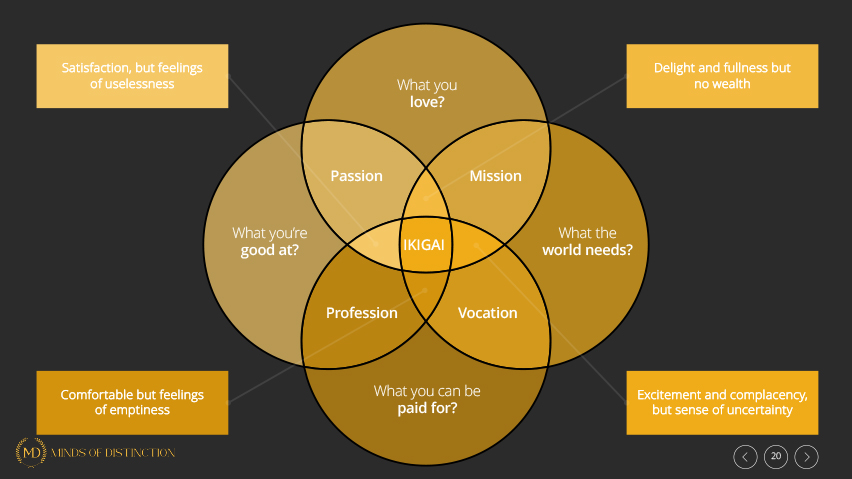
Find Your Ikigai: A Practical Path to Meaningful, Sustainable Work
We all want work that feels energizing, pays the bills, serves a purpose, and taps our unique strengths. The Japanese idea of ikigai—“a reason for being”—sits at that intersection. Think of it as a simple, rigorous framework for designing a career you’re proud of. (Adapted from the…